 Komp
Komp
In modern industrial environments, welding robots have transformed the way manufacturers approach metal joining. Beyond merely replacing human labor, these systems enhance precision, accelerate production, and ensure consistent quality. As factories strive to stay competitive, robotic welding has become an essential tool for optimizing workflows while improving safety for workers.
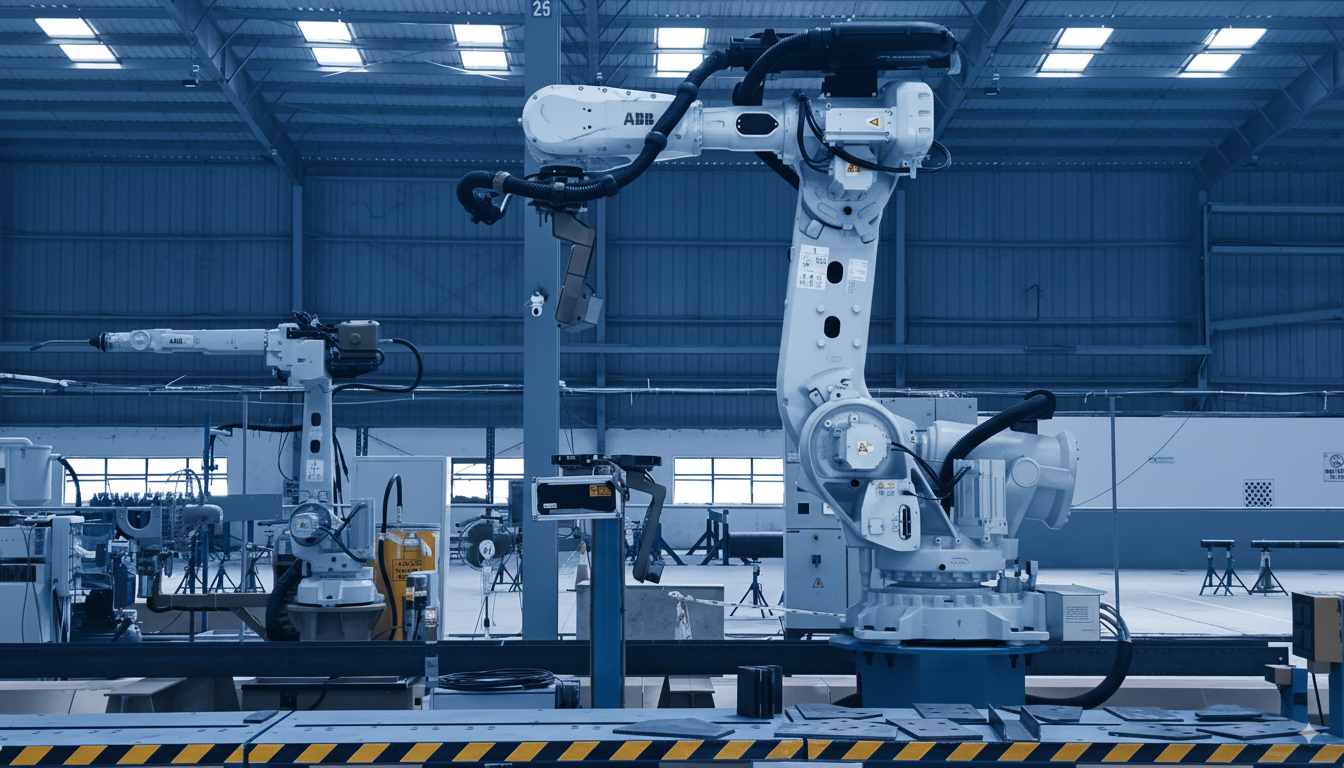
Enhancing Safety in Industrial Workflows
Robotic welding fundamentally changes workplace safety by minimizing human exposure to hazardous environments. Key benefits include:
- Reduced risk of injuries. Robots handle high temperatures, sparks, and fumes that are common in welding, keeping workers safe.
- Lower exposure to harmful materials. Hazardous gases and ultraviolet radiation are mitigated through automation.
- Consistent ergonomic conditions. Operators avoid repetitive strain and fatigue by supervising robots instead of performing manual welds.
- Remote operation capabilities. Advanced systems allow control from a safe distance, further reducing onsite risks.
- Integrated monitoring systems. Sensors track environmental conditions, alerting staff to potential hazards before they escalate.
By removing human operators from the most dangerous tasks, welding robots create a safer production environment while maintaining high efficiency.
Boosting Efficiency and Production Output
Robotic welding offers unparalleled efficiency, allowing manufacturers to meet rising demand without compromising quality. These advantages stand out:
- High-speed welding. Robots can increase part welding speed by 30–150%, depending on the task.
- 24/7 operation. Continuous work cycles maximize output without breaks or downtime.
- Multiple applications. Capable of MIG/MAG, TIG, and laser welding, robots adapt to diverse production needs.
- Quick reprogramming. Production lines can shift to new products rapidly, reducing idle time.
- Optimized material usage. Robots minimize waste and ensure consistent seam quality, cutting consumable costs by up to 20% or more.
Implementing welding robots allows companies to scale efficiently, producing more with less labor and fewer errors, which directly impacts profitability.
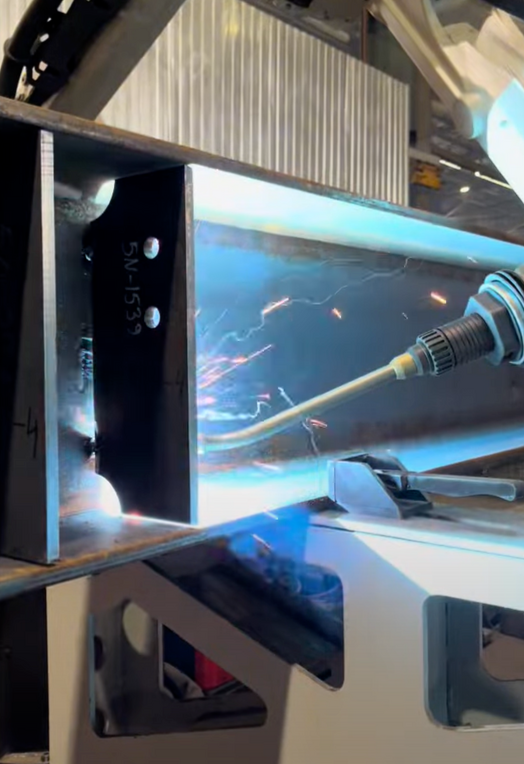
Integrating Welding Robots into Modern Factories
Successful adoption of welding robots requires thoughtful integration into existing workflows. Best practices include:
- Workflow analysis. Identify areas where automation provides maximum value and complements human operators.
- Simulation and testing. Digital modeling ensures optimal robot paths and prevents collisions before live deployment.
- Phased deployment. Start with individual cells, monitor performance, then expand to full production lines.
- Operator training. Skilled staff should oversee multiple robots, enhancing both control and flexibility.
- Integration with automation systems. Linking robots with conveyors, vision sensors, and quality inspection tools creates fully digital and traceable workflows.
By following these strategies, factories can transition smoothly to automated welding, increasing productivity while maintaining safety and quality standards.
Welding robots are no longer just optional tools—they are strategic assets that redefine industrial workflows. They ensure precision, reduce risks, and significantly increase production efficiency, all while lowering material costs and labor dependency. For manufacturers seeking to modernize their operations and stay competitive, solutions from Quant Robotics LLP (https://quant-robotics.com/) provide the technology, expertise, and support needed to implement advanced robotic welding systems successfully.


